Bookshelf 2 Line Art: Six Sizes Craft Fair Review
After years of stitching out designs for weekend markets and Etsy shops, I’ve learned to judge a file within seconds of opening it. The Bookshelf 2 Line Art - Six Sizes machine embroidery design immediately caught my attention. It’s not just a collection of shapes; it’s a tiny, stitchable story of a cozy reading corner. As I prepare my booth for the upcoming craft fair, I’m evaluating whether this design earns a spot in my product lineup. From tote bags to tea towels, here’s my honest breakdown.
First Glance: A Warm, Minimal Bookshelf
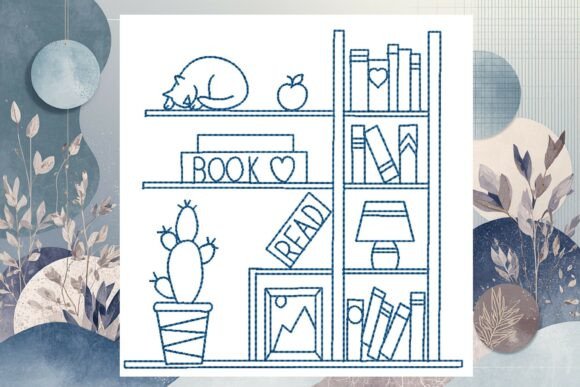
When I first loaded the preview, I saw a clean line art composition. The bookshelf holds a neat row of books, a potted cactus, a drowsing cat curled up, a softly glowing lamp, a crisp apple, and a framed photo. The mix of elements feels modern yet approachable, not overly rustic or childish. It’s the kind of design that reads as decorative, perfect for handmade markets where customers hunt for unique, thoughtful pieces. The line art style means it won’t overwhelm a product with heavy fill, but it still has enough detail to spark conversation. I’d describe the mood as cozy minimalist—a look that fits everything from a farmhouse kitchen towel to a sleek canvas tote.
Where This Design Works Best on a Craft Fair Table
I mentally test every design on the products I plan to sell. For Bookshelf 2 Line Art - Six Sizes, the applications are immediately clear. Let’s walk through the booth.
Tote Bags: The Hero Product
On a natural cotton tote, this design becomes a portable library. The six sizes included in the file let me choose a large placement for a bold statement or a smaller version for a pocket accent. Line art on a tote photographs beautifully—the crisp lines pop against the woven texture, and the neutral theme appeals to book lovers, teachers, and students. I’d stitch it in a deep charcoal or navy thread on a cream tote, or even try a soft terracotta for a warmer feel.
Kitchen and Tea Towels
Tea towels are a staple at my booth. The Bookshelf 2 Line Art design instantly transforms a plain flour sack towel into a giftable kitchen accent. I’d use a woven cotton towel with a smooth surface to keep the thin lines crisp. The bookshelf theme works beautifully for a “cozy home” collection, and the small details like the cat and cactus add charm without being too cutesy. One caution: the line art’s thin strokes may sink into a highly textured towel, so I’ll test a sample on a tightly woven version first.
Aprons, Pillow Covers, and Home Décor
On a linen or cotton apron, the design sits perfectly across the bib or along a pocket. It gives a handcrafted, boutique feel. For pillow covers, the larger sizes make a lovely cushion front. I can see this selling well to customers decorating a reading nook. The design’s simplicity means it complements both neutral and colorful fabrics, so I can offer seasonal variations by switching thread colors—soft pink for spring, or a rich gold for autumn.
Small Accents: Pouches, Patches, and Caps
For smaller items like zip pouches or pencil cases, the smallest sizes of the design are a natural fit. I’d pair it with a solid-colored canvas pouch for a back-to-school pocket or a teacher gift. Embroidered patches are always popular, and this design stitched on felt or twill with a merrowed edge would sell as a standalone item. Caps, however, require extra care: the curved surface and seam can distort the straight lines of the bookshelf. I’d only attempt it on a structured cap with a firm backing and reduce the design size to avoid the side seams.
Practical Selling and Production Insights
From a business perspective, a design must be more than pretty—it needs to be repeatable and sellable. The Bookshelf 2 Line Art - Six Sizes design scores high here. Because it’s line art, stitch count is typically lower than a filled design, so production time is faster. That means I can stitch more pieces in a day, keeping my costs down. The design is easy to understand at a glance, which is crucial in a busy craft fair. A customer walking by can instantly recognize the cozy bookshelf scene and connect with it emotionally. That recognition drives impulse purchases.
For online listings, the crisp, clean lines photograph extremely well. I’d use a flat lay on a neutral background to show the delicate details, then a lifestyle shot with a mug of tea and a book. The design’s versatility across multiple products also helps me create a cohesive brand look—a collection of “Bookshelf” items that customers can mix and match.
Stitching Considerations: What to Watch For
No design is perfect without testing. Here are the points I’ll check before committing to a full production run.
- Stitch Density and Thin Lines: Line art can be tricky if the stitches are too dense or too sparse. I’ll test on medium-weight cotton with a sharp needle and a quality tear-away stabilizer. On knits, I’ll use a cut-away to prevent distortion.
- Tiny Details: The drowsing cat, the apple, and the photo frame are small. At the smallest sizes, these might lose definition. I’ll check the smallest hoop size suggested and probably use the design at a minimum of 3 inches wide to preserve clarity.
- Fabric Texture: On thick, fluffy towels or loosely woven fabrics, the thin lines can blur. I’ll stick to smooth, tightly woven bases like cotton-linen blends, canvas, or poplin.
- Dark Fabric Warning: On dark backgrounds, the line art will need thread that contrasts strongly. A light grey or white thread on black fabric could look stunning, but I’ll test to ensure the thin lines don’t get lost.
- Curved Surfaces: Caps and curved wallets are tricky. The bookshelf’s horizontal lines will arc with the cap’s curve, which might look odd. I’d only use it on flat or slightly curved areas.
Booth Display and Customer Engagement
I always imagine how a design will draw people into my booth. The Bookshelf 2 Line Art has a quiet, inviting quality. It’s not loud or seasonal, so it works year-round. I’d group it with other reading-themed or botanical designs for a cohesive “cozy corner” collection. Displaying a finished tote bag on a stand, a tea towel draped over a basket, and a few patches pinned to a corkboard would create an attractive, layered look. Shoppers who love books, cats, or plants will naturally gravitate toward it. I’ve learned that designs with a small narrative—like this one with its tucked-in cat and warm lamp—spark smiles and stories. That emotional connection is what turns a browser into a buyer.
Designer’s Stitch-Out Checklist
Before any design hits my booth, I run through a mental checklist that I’d recommend to any fellow embroidery business owner. Here’s how I’d prepare Bookshelf 2 Line Art - Six Sizes:
- Check the file details: The description mentions six sizes, but I’ll verify the exact hoop sizes and file formats included. If the product listing doesn’t specify, I’ll reach out to the digitizer to confirm.
- Run a test stitch on scrap fabric: I’ll stitch out the design in my most-used thread color on a piece of cotton similar to my final product. This reveals any density issues or registration problems.
- Experiment with thread colors: I’ll test a dark thread on light fabric and a light thread on dark fabric. Sometimes a subtle tonal look (e.g., cream on oatmeal) can be very elegant.
- Choose the right stabilizer: For tote bags and towels, I’ll use a medium-weight cutaway or a no-show mesh. For patches, a heavy tear-away with a fabric base.
- Create a mockup for listings: Before I even stitch, I’ll use a printable mockup to visualize the design on different products. This helps me decide which items to prioritize.
- Confirm commercial licensing: I’ll check the design’s license terms to ensure I can sell finished items at craft fairs and online. If the terms aren’t clear, I’ll contact the seller.
- Compare fabric colors: I’ll hold the stitched sample against various fabric swatches to see which combinations make the design pop best.
Is This Design a Craft Fair Champion?
After spending time with Bookshelf 2 Line Art - Six Sizes, I’m confident it will earn its place in my inventory. The design is versatile, emotionally appealing, and practical for batch production. It asks for a little testing to perfect the thread and fabric pairing, but the payoff is a product that looks handmade in the best possible way. Whether I’m selling tote bags to book club members, tea towels to home decorators, or patches to students, this design has the quiet charm that makes a craft fair booth memorable. It’s not just an embroidery file; it’s a story my customers will want to take home.