Colorful Crayons Embroidery Design
First Impressions: Playful, Warm, and Instantly Recognizable
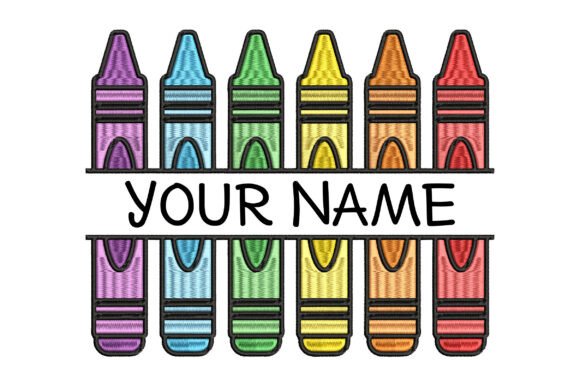
As an embroidery designer who’s tested hundreds of digital embroidery files for retail and custom work, the Colorful Crayons Embroidery Design landed with a cheerful, unmistakable energy—like opening a fresh box of crayons on the first day of school. It’s not fussy or overly detailed, but it’s thoughtfully composed: a bright, balanced row of stylized crayons framing a central space for a personalized name. The mood is sweet and spirited—not babyish, not childish, but genuinely joyful and inclusive. It feels handmade without sacrificing polish, modern without leaning into trends, and timeless enough to work beyond Back To School season. For customers seeking a personalized gift that says “I see you—and I celebrate your uniqueness,” this design delivers emotional resonance before a single stitch is made.
Where This Design Truly Shines
The Colorful Crayons Embroidery Design excels across a wide range of handmade products—especially those where personality, warmth, and gentle customization matter most. Think baby embroidery on organic cotton receiving blankets or muslin swaddle sets: the crayon motif subtly nods to creativity and growth, while the name adds intimacy. On embroidered towels—kitchen or bath—it transforms everyday items into curated keepsakes. Pillow covers for nurseries or kids’ rooms gain instant charm; aprons for young bakers or craft-loving parents become conversation starters. Even wedding gifts benefit: imagine this design stitched onto a linen tote for the flower girl, or a monogrammed kitchen towel for the couple who met in art school. Etsy sellers will find strong appeal among buyers searching for “personalized nursery decor,” “custom baby gift,” or “handmade Back To School present.” And because it’s built around a clean name field, it scales beautifully for small shop product lines—no need to create dozens of variations.
Smart Pairings for Real-World Use
- Baby embroidery: Works especially well on soft, low-pile fabrics like bamboo-cotton blends—ideal for blankets, bibs, and onesies (with careful placement).
- Embroidered towel: Best on medium-weight terry or waffle weave—avoid ultra-thick loops where crayon details may blur.
- Pillow cover & blanket embroidery: Holds crispness on linen, cotton duck, or quilting cotton. Great for craft fair displays and Instagram-ready flat lays.
- Custom tote bag & apron: Adds playful professionalism—perfect for teachers, artists, or new parents building their “mompreneur” brand.
- Wedding gift & family keepsake: When stitched in tonal thread on ivory linen, it reads quietly elegant—even sentimental—without losing its signature brightness.
Where to Use It Thoughtfully
This isn’t a one-size-fits-all embroidery file—and that’s a strength, not a limitation. Because the crayons are expressive and the name area invites personalization, attention to context matters. Avoid placing the Colorful Crayons Embroidery Design on heavily textured fabric (like bouclé or thick terry) unless you’ve tested stabilizer layers thoroughly. Stretchy baby clothes require extra care: use lightweight cutaway stabilizer and avoid tight curves where distortion can stretch the crayon shapes. On dark fabric, confirm your thread colors maintain contrast—especially in the name area, where legibility is key. And for products that endure frequent washing (like kitchen towels or baby blankets), double-check stitch density: too dense risks stiffness and thread wear; too sparse may lose definition over time. Always test on scrap fabric that matches your final product’s weight, weave, and stretch.
Why Customers Connect—and Buy
Giftability isn’t just about aesthetics—it’s about perceived value, trust, and emotional connection. The Colorful Crayons Embroidery Design scores high on all three. Its clarity and warmth signal care and intentionality—exactly what handmade product buyers look for. When customers preview a printable mockup showing their child’s name nestled among those vibrant crayons, they don’t just see stitching—they see a story beginning. That translates directly to stronger buyer engagement, higher cart conversion, and repeat orders. Photographed well (natural light, clean background, fabric drape emphasized), this design elevates product photography instantly. It also builds trust: because it’s clearly designed for personalization—not mass production—it reinforces the authenticity of your small shop product or Etsy listing.
Practical Embroidery Notes You’ll Want to Follow
Before stitching your first customer order, treat the Colorful Crayons Embroidery Design like any commercial embroidery file you’d charge for: verify every detail. Run a test on scrap fabric identical to your intended product—check how thread colors behave under your machine’s tension, how the crayon tips hold up, and whether the name area stitches cleanly at your chosen font size. Confirm hoop size compatibility—some versions may be optimized for 4x4, others for 5x7. Review stitch density: if it feels heavy for your fabric, consider adjusting underlay or reducing fill density slightly (if your software allows). Use appropriate stabilizer—tear-away for stable cottons, cutaway for knits or towels. Compare light and dark fabric mockups side-by-side: subtle shifts in thread sheen or contrast can make or break readability. Finally, ensure your license permits commercial embroidery—this is essential for Etsy sellers, baby product creators, and wedding gift designers selling finished products.
A Design That Grows With Your Business
What makes the Colorful Crayons Embroidery Design more than just another machine embroidery design is its quiet versatility. It supports seasonal launches (Back To School, baby showers, teacher appreciation), evergreen gifting (nursery decor, wedding favors), and even micro-product lines (e.g., “Crayon Name + Initial” variants). It invites storytelling—whether you’re a craft fair vendor sharing how each crayon color represents a child’s favorite thing, or an Etsy seller bundling it with matching printable labels and care cards. As a professional embroidery designer, I recommend it not just for its technical execution, but for the way it helps small business owners deepen relationships—with their customers, their craft, and the meaningful moments their handmade products honor.