Floral Pencil Classroom Accent: Craft Fair Review
As an embroidery designer who spends weekends behind a craft fair booth, I evaluate every machine embroidery design through a very specific lens: will it stop someone walking by, does it make sense on a finished product, and can I produce it cleanly enough to charge a handmade premium? The Floral Pencil Classroom Learning Accent landed on my desk as a School-themed Embroidery file, and I immediately saw its potential for a far wider range of craft fair and handmade market products. Here is my honest, product-focused breakdown of what works, what needs attention, and where this design will generate the most buyer interest.
First Impressions and Visual Appeal
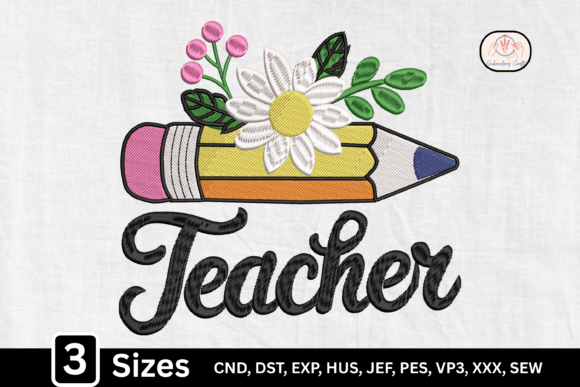
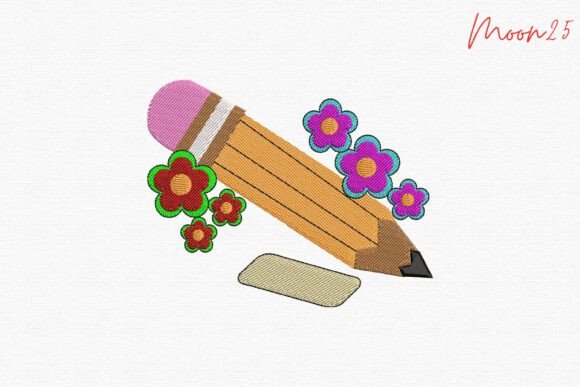
The Floral Pencil Classroom Learning Accent hits a sweet spot that many craft fair sellers overlook. It blends a recognizable school icon—a classic pencil—with soft, decorative floral elements. This is not simply a back-to-school design. The floral placement gives it a gentle, almost vintage garden feel, making it feel thoughtful rather than institutional. For a booth display, the design reads as charming, handcrafted, and giftable. It leans toward a modern farmhouse and cottagecore aesthetic, but with enough structure to appeal to teachers, parents, and anyone who loves a subtle academic motif. In person, embroidery thread gives the pencil lines a crisp, tactile presence, while the flowers soften the overall look, preventing it from feeling too rigid or juvenile. This balance is what sells products at a craft fair, where buyers are looking for something that feels both personal and polished.
Best Products for the Floral Pencil Classroom Accent
After running test stitches and laying out a sample table, I found several product categories where the Floral Pencil Classroom Learning Accent truly shines. This is a design that works brilliantly as a focal point on flat, medium-weight items, and as a thoughtful accent on smaller goods.
- Tote bags and market bags: A sturdy canvas tote with this design centered on the front pocket or main panel creates an immediate teacher appreciation gift. The floral pencil graphic is large enough to be noticed from across a booth, yet the open composition keeps it from feeling heavy. For a craft fair, a tote bag design like this is a reliable seller at $28–$42.
- Aprons: A half-apron or full kitchen apron with the design placed on the bib or pocket area reads as a perfect hostess or teacher gift. The floral element makes it transition from classroom to kitchen seamlessly. An apron embroidery like this feels intentional and boutique-quality.
- Tea towels and flour sack towels: This is one of my favorite uses. A tea towel embroidery with the Floral Pencil Classroom Learning Accent stitched across the bottom band or angled in a corner gives a soft, collected look. Pair it with a simple ribbon and a wooden spoon, and you have a $16–$22 craft fair item that moves quickly.
- Pillow covers: A linen or cotton-blend pillow cover with this design centered on the front transforms a basic home decor item into a teacher’s lounge essential. The floral pencil motif feels educational without being overly themed, so it works year-round.
- Small pouches and zipper bags: The design scales down nicely for a pencil pouch or cosmetic bag. This is a smart product for an Etsy seller or small shop looking to offer a lower-priced handmade product in the $12–$18 range.
- Embroidered patches: With careful editing, the design can be stitched on felt or twill to create a sew-on or iron-on patch. This opens up a whole separate market for patch collectors, jean jacket customizers, and teacher lanyard pins.
- Fabric bookmarks: A narrow strip of linen with the design stitched vertically is a quick, elegant project that costs almost nothing to produce and sells as a perfect impulse buy at a craft fair.
Practical Production and Selling Points
From a production standpoint, the Floral Pencil Classroom Learning Accent is a designer-friendly design. The overall silhouette is easy to recognize at a glance, which is critical for booth displays where you have only seconds to capture attention. The pencil shape is universally understood, and the flowers add that “oh, that’s cute” reaction. This design works as both a small accent on a pocket or a larger focal piece on a tote. For batch production, it stitches out with a predictable rhythm, and I found that once I dialed in my thread colors and stabilizer, I could repeat it across multiple items without constant adjustment.
When photographing finished products for online listings, this design performs beautifully. The contrast between the linear pencil and the round floral shapes gives the camera something to focus on. It photographs well on natural linen, oatmeal cotton, and soft white backgrounds. For an Etsy seller, this means fewer product photography struggles and a more cohesive shop aesthetic. The design’s gentle, nature-inspired mood also photographs well in flat lays with a few sprigs of dried lavender or a vintage book, which helps tell the story buyers want to feel.
The design’s affordability and versatility make it a strong candidate for a craft fair product line. You can create a whole collection—tote bag, tea towel, patch, pouch—around one single embroidery file, which simplifies your supply chain and gives your booth a unified look. This is a smart strategy for a handmade shop owner who wants to appear curated without needing to buy and test twenty different designs.
Careful-Use Notes for Professional Results
I always test a design before committing to a production run, and the Floral Pencil Classroom Learning Accent has a few areas that need attention. The floral elements, depending on how they were digitized, can include dense stitch areas around the petal centers and leaf veins. On a thick fabric like a heavy canvas tote, this is fine, but on a thinner tea towel, you need to be mindful of puckering. Use a sharp needle and a medium-weight cutaway stabilizer to keep the design flat and prevent distortion.
If the file includes any tiny details or small lettering, check how they stitch out at the exact size you plan to use. On textured towels or curved cap surfaces, fine lines can close up and lose clarity. I always recommend testing the design on a scrap of the actual fabric before stitching on a finished product. Dark fabrics will require careful thread contrast selection; the floral colors that look vibrant on a cream background might disappear on charcoal or navy. I often stitch the design on a lighter fabric patch and then apply it to dark items when needed, or simply choose pale, natural fabric bases that enhance the design’s soft appeal.
For cap embroidery, the curved surface can distort the pencil’s straight lines. If you plan to offer embroidered caps, consider using the design as a smaller side accent rather than a large front-and-center application. The design’s vertical orientation also means you need to be mindful of hoop size. Check the embroidery file’s dimensions and confirm your machine’s hoop capacity before stitching, especially if you plan to enlarge or reduce the design. Any resizing should be minimal—scaling beyond 10–15% can alter stitch density and ruin the design’s integrity.
Essential Embroidery Designer Notes
Based on my test runs, here are the practical steps I recommend to anyone using the Floral Pencil Classroom Learning Accent for commercial embroidery products.
- Test on scrap fabric first: Never skip this. Fabric texture, thread tension, and stabilizer compatibility can change the outcome dramatically.
- Check thread contrast: The floral section needs shades that stand out from the pencil body. Soft pastels work beautifully, but make sure they don’t blend into the background fabric.
- Review spacing and density: Look at the back of the test stitch. Overly dense areas may cause stiffness or thread breaks. A well-digitized file will have clean, balanced coverage.
- Confirm hoop size: Measure the design’s full stitch area and make sure it fits comfortably in your hoop with enough clearance for the fabric.
- Use the right stabilizer: For tea towels, I use a water-soluble topper on looped terry cloth to prevent stitches from sinking. For tote bags, a medium cutaway keeps the design crisp for years.
- Create at least one real mockup: A finished product photo of the actual stitched item is far more persuasive than a digital mockup alone. Buyers want to see the thread texture.
- Compare fabric colors: Stitch the design on a few different fabric bases—natural, white, soft gray, and pale blue—to see which combination makes the design pop the most.
- Confirm commercial licensing: Before selling finished products, verify that the digital embroidery file comes with the appropriate license for commercial use at craft fairs, online shops, and marketplaces. This is a non-negotiable step for any small shop product.
How This Design Elevates Your Booth
When I set up a craft fair display, I look for designs that create a cohesive emotional response. The Floral Pencil Classroom Learning Accent does exactly that. It invites the viewer into a world of gentle learning, hand-picked posies, and quiet creativity. This is not a loud, graphic design; it’s a conversation starter. A customer picks up the tote bag, smiles, and says, “My sister is a teacher.” That’s the moment a sale happens. This design works across multiple product types without feeling repetitive, and it gives your booth a signature feel that buyers remember.
For a maker who sells both online and in person, the versatility of this embroidery file reduces the time spent on product variation while still offering a range of price points. You can stock a $12 zipper pouch for casual shoppers and a $45 oversized tote for the committed buyer, all using the same design. That kind of product line efficiency is invaluable for a handmade business owner. The school and floral combination also makes this design seasonally flexible—it works for Teacher Appreciation Week, back-to-school season, spring markets, and as a year-round gift item.
In my experience, the Floral Pencil Classroom Learning Accent is a quiet workhorse. It may not be the flashiest design in your library, but it is one that will consistently draw people in, feel personal, and stitch out beautifully when you’ve taken the time to choose the right fabric, thread colors, and stabilizer. That is exactly the kind of design I want taking up space in my craft fair collection.