Red Apple with Pi Embroidery: A Craft Fair Seller’s Review
I’ve been stitching and selling at weekend markets long enough to know that a single machine embroidery design can make or break your booth earnings. When I unzipped the Red Apple with Pi Embroidery file and previewed the stitch layout, I immediately saw a pattern that blends two powerful selling angles: the universal love for a classic red apple and the nerdy charm of the pi symbol. This isn’t just a cute classroom motif — it’s a smart product anchor for anyone who sells handmade product goods to teachers, STEM enthusiasts, and back-to-school shoppers.
Before I ever commit to a design, I ask myself three things: will it catch a customer’s eye from across the aisle, can I stitch it cleanly on multiple surfaces, and does it feel repeatable for batch production. The Red Apple with Pi Embroidery checks each of those boxes, but there are a few practical production nuances I want to walk through before you load it onto your machine and start stitching for your next market.
First Impressions: A Clever Classroom Classic That Feels Modern and Giftable
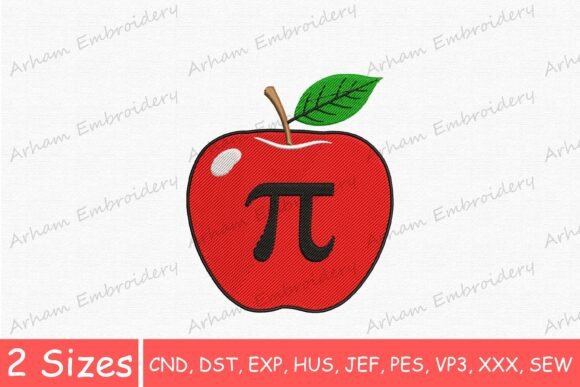
Opening the digital embroidery file, the artwork immediately reads as a crisp, symbolic fusion. The apple is bold and rounded, the pi symbol sits prominently inside or beside it, and the entire composition feels educational without being dry. It’s neither overly cute nor aggressively academic — it lands in that sweet spot where a math teacher gift feels thoughtful, and a STEM-themed craft fair product feels fun. The mood is modern, slightly playful, and rooted in a back-to-school energy that sells well from July through October.
As a booth designer, I appreciate designs that don’t need explanation. A customer sees the red apple, recognizes the pi symbol, and instantly connects it to a teacher, a tutor, or a math-loving friend. That instant recognition is gold at a crowded market where you have three seconds to capture attention. The Red Apple with Pi Embroidery delivers that clarity. It doesn’t rely on tiny text or complex shading — the visual punch is straightforward, and that makes it safer to stitch on textured surfaces and easier to photograph for Etsy listings.
Best Products for Red Apple with Pi Embroidery at Craft Fairs
I tested this design mentally on every product I typically bring to a market. Here’s how it performs across the lineup, from star player to careful-use item.
Tote Bags and Market Bags
A natural canvas tote bag with this design stitched large on the front pocket is a top seller. The red apple pops against the unbleached cotton, and the pi symbol adds that intellectual wink. I’d use a 5x7 or larger hoop size to give the apple breathing room, and place the design slightly off-center for a modern, boutique feel. Red Apple with Pi Embroidery on a tote bag gives you a high-value handmade product that customers grab as a reusable teacher tote or a STEM statement bag.
Tea Towels and Kitchen Towels
Tea towel embroidery is a craft fair staple, and this design fits perfectly. Stitch it on a flour-sack towel with a crisp red thread and a soft charcoal or black pi symbol. The design is clean enough to read on a textured towel, but I’d avoid a high-pile terry cloth — the apple’s smooth curves need a relatively flat surface to stay crisp. Fold the towel and display it with the embroidery facing out, and you’ll see math teachers reach for it without hesitation. It makes a wonderful hostess gift or classroom décor piece.
Apron Embroidery
An apron with the Red Apple with Pi Embroidery on the bib or chest pocket is a clever gift for a science or math teacher who loves to cook. I’d stitch it slightly smaller than on a tote, around 4x4 inches, to keep the design proportional. The red apple thread against a dark denim or black apron creates a striking contrast. Just be mindful of the pi symbol’s legibility at smaller sizes — always test on scrap fabric first.
Embroidered Patches
Turning this design into an embroidered patch opens up a completely different buyer. Students, math club members, and quirky fashion lovers adore patches. You can stitch it on twill fabric with a merrowed edge, or use a freestanding lace technique. The Red Apple with Pi Embroidery patch reads as a tiny collectible, and you can sell them individually or in bundles with other STEM designs. Just note that the pi symbol must remain crisp, so avoid shrinking the patch below 2.5 inches unless the digitizing is optimized for small-scale stitching.
Caps and Curved Surfaces
Cap embroidery with this design is doable but requires extra care. The apple’s round shape can warp on a curved cap crown if you don’t use the right stabilizer and hooping technique. I’d stitch it on a structured, low-profile cap and keep the design centered on the front panels. The pi symbol might lose clarity if the cap fabric is heavily textured, so test on a smooth cotton twill cap first. If you nail the placement, math teachers will snap up these caps as a unique classroom accessory.
Pillow Covers and Small Pouches
A linen pillow cover with the Red Apple with Pi Embroidery in a corner or centered becomes a charming library or classroom reading nook accent. Small zippered pouches with the design stitched on the front make excellent teacher appreciation gifts. The design’s compact nature works well on these smaller formats, and you can batch-produce quickly once you’ve dialed in your thread colors and stabilizer.
Selling Strategy: Where This Design Shines Brightest
At a live market, you want products that tell a story. The Red Apple with Pi Embroidery tells the story of a passionate educator, a curious student, or a proud math nerd. I’d group all my pieces featuring this design together on a dedicated display table with a small chalkboard sign: “Math Love & Apple Pies.” The visual consistency of a single design across multiple products creates a cohesive boutique feel that boosts brand consistency and buyer confidence.
For online sellers, this design photographs beautifully. The contrast of a vibrant red apple against a neutral background makes for a compelling Etsy thumbnail. When you stage a tote bag with a few colorful pencils, a small calculator, and a fresh apple, the listing practically sells itself. The design’s symbolic simplicity means it scales well in a printable mockup, helping you build a polished shop without needing a dozen physical samples.
From a batch production standpoint, the Red Apple with Pi Embroidery is a dream. It doesn’t have tiny floating elements or intricate lettering that misaligns. You can stitch multiple units in one session, and the design is forgiving enough that minor thread tension variations don’t ruin the look. This repeatability is essential for a small shop product where you need to maintain quality while maximizing output.
Production Notes: Stitch Density, Tiny Details, and Stabilizer Choices
Even a clean design like this one has areas that demand your attention before you hit “start.”
- Dense stitch areas: The red apple likely has a solid fill. If the stitch density is too high, you’ll see puckering on lightweight fabrics. Always test on a scrap of your chosen fabric, and consider using a cut-away stabilizer for woven goods or a quality tear-away for stable cotton.
- Pi symbol clarity: The pi symbol is the design’s intellectual hook. If it’s rendered too small or with a thin satin stitch, it can blur, especially on textured towels or dark fabric. Magnify the preview and do a stitch-out at the smallest size you intend to use. If the pi symbol loses its shape, consider increasing the overall design size or using a slightly thicker thread.
- Thread contrast: A bright red apple paired with a white or black pi symbol creates the most versatile look. But don’t assume the embroidery file is set up for your ideal palette. Check thread color assignments in your software. On dark fabric, a white pi symbol might be necessary; on light fabric, a dark charcoal or navy pi symbol can add a subtle, elegant touch.
- Fabric texture: Avoid heavily napped fabrics like fuzzy fleece or thick terry cloth for this design. The apple’s smooth curve and the pi symbol’s precise lines need a relatively flat surface. If you must use a textured towel, add a layer of water-soluble topping to keep the stitches crisp.
- Small lettering: The description doesn’t mention any tiny text, which is a relief. Small lettering is a common stitch quality killer. If the pi symbol includes any accompanying numbers, confirm they are digitized at a readable size before production.
- Hoop size: The design likely fits within a 4x4, 5x7, or 6x10 hoop. Start with the largest hoop size your machine supports to give the apple presence, then scale down only after testing. The description doesn’t specify exact hoop dimensions, so always check the included file specs before planning your product layout.
Display and Photography Tips for Maximum Impact
When you’re setting up a booth, the Red Apple with Pi Embroidery works best as a focal point, not an afterthought. Hang a finished tote bag at eye level, clip a few tea towels on a rustic wooden rack, and place a stack of embroidered patches in a small dish with a price tag. The repetition of the design across different products signals to shoppers that you’re a specialist, not a hobbyist.
For photography, natural light and a clean background are your best friends. I like to shoot a tote bag against a whitewashed brick wall with a few school supplies, or lay a tea towel flat on a wooden table with a slice of apple pie (yes, really — it works). The Red Apple with Pi Embroidery is inherently photogenic, and those product shots will double as printable mockup assets for your online store. If you sell digital embroidery files, include a clear, well-lit mockup of the stitched design; it helps buyers visualize the finished product and builds trust.
Commercial Considerations and Licensing
Before you sell any finished product featuring this machine embroidery design, confirm that the commercial license allows it. The product description doesn’t state explicit license terms, so reach out to the designer or check the shop’s usage policy. Many digital embroidery file sellers permit physical items to be sold at craft fairs, but some restrict mass production. Always keep a copy of the license agreement in your records, and never assume the design is cleared for unlimited commercial embroidery.
Final Verdict: A Smart, Repeatable Design for the STEM and Teacher Niche
After evaluating the Red Apple with Pi Embroidery from every angle — visual appeal, product versatility, production practicality, and market demand — I’d absolutely bring it to my next craft fair. It’s a design that feels both classic and niche, giving you access to a dedicated audience of educators, math lovers, and back-to-school shoppers. The apple’s bold shape and the pi symbol’s cleverness combine to create a craft fair product that sells itself, whether stitched on a tote bag, a tea towel, a patch, or an apron.
As with any embroidery file, test thoroughly, choose your thread colors and stabilizer with intention, and always create at least one real mockup before you commit to batch production. When you see a math teacher’s face light up at your booth, you’ll know the Red Apple with Pi Embroidery was worth every stitch.